
Choosing a Body Fat Loss Plan That’s Right For You
Finding the right adipose (fat tissue) reduction plan means one that supports your physical and mental wellness, lifestyle, and fitness goals while helping you keep the body fat off long term.

Body composition management involves more than the amount of calories consumed versus calories burned. Your age, physical abilities, physical/mental health, and lifestyle are examples of other factors that can influence whether or not you lose the right body fat in a healthy sustainable manner.
Not all adipose reduction plans, exercises, or diets work the same for each person, either. Everyone has different body types, health and fitness goals. Compared to someone else, you might have different abilities and strengths.
However, there are plenty of “body fat loss” programs to choose from. Evaluating a plan before you commit helps eliminate options that might not suit your needs or preferences.
Understanding body fat loss vs weight loss
At its simplest, weight loss occurs when you create a caloric deficit. Calories are a measurement of the energy your body takes in when consuming food or drinks, then uses to maintain cardiovascular activity, daily functions and physical exercise. Being in a caloric or energy deficit means using more calories than you take in. This does not address where the loss occurs and at what cost.
Medical School Nutrition Therapy Hours
Where do most experts get the wrong advice and why would they give it out to others who hold them in high regard?

Most U.S. medical schools provide **fewer than 25 hours** of nutrition education, which falls short of the **25-hour minimum** recommended by the National Academy of Sciences since 1985. Recent data indicates the average is often **between 10 and 20 hours** across the entire four-year curriculum, with some surveys showing students receive as little as **1.2 hours per year**.
* **Average Duration**: Surveys from 2021 and 2022 found the average nutrition training is **11 to 14.3 hours** in preclinical years and **4.7 hours** during clinical practice.
* **Compliance Rates**: Only **27% to 29%** of medical schools meet the recommended 25-hour standard, while a 2023 survey noted that only **7.8%** of students received 20 or more hours.
* **Clinical Focus**: Fewer than half of schools offer clinical nutrition training, often limited to an average of **5 hours or less**, leaving most physicians unprepared to counsel patients on lifestyle modifications.
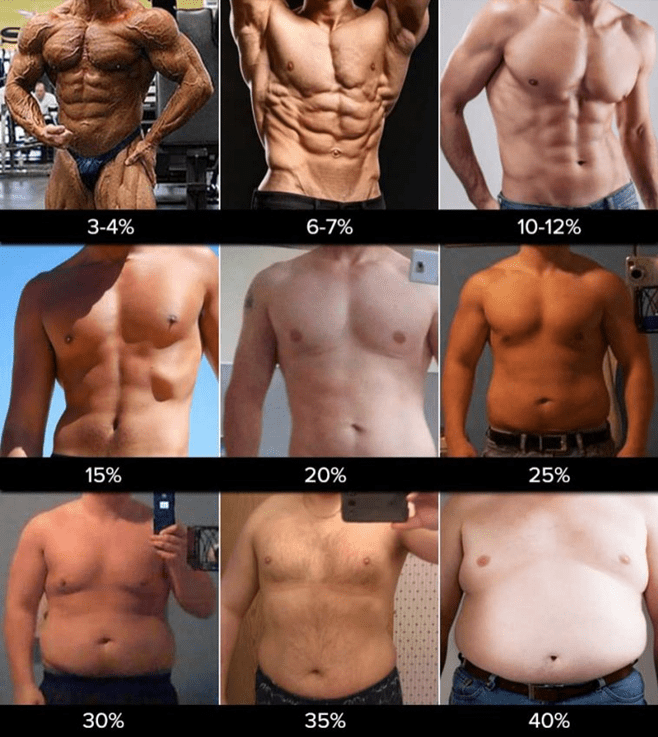
According to a 2020 research review, most healthy weight loss guidelines recommend low calorie diets with a 500 to 750 daily caloric deficit, depending on your individual needs. Experts consider safe weight fat loss to be around 5% to 10% of your starting body fat within the first 6 months on a weight loss plan, or around 1 to 2 pounds per week.
All this research clearly uses body weight and or BMI as measurement data to classify degrees of obesity as well as progress or regression throughout the reduction programs. This height weight standard concept is not only antiquated but dangerous and very misleading to participants who only want better health outcomes. BMI standards are used to diagnosis, prescribe potentially harmful drugs and qualify for surgical procedures that remove perfectly healthy segments of the GI tract. Some removals take parts that are responsible for absorption and assimilation of specific nutrients which leads to life long vitamin and minerals deficiencies.
Doctors, surgeons and other “Experts” have a huge financial stake in keeping this status quo either intentionally or unintentionally. Weight loss drugs, surgeries, supplements, books, videos and memberships have poured billions of dollars into the accounts of these experts who would never offer a refund when the loss is regained. Furthermore, harmful side effects from these drugs have repeatedly plagued the overly trusting naïve public but most pharmaceutical companies avoid responsibility, usually by factoring settlement costs into the overly prices substances. While surgeries never addresses underlying education and behavioral issues which cause most obesity. Most of these unresolved issues originated from longterm lifestyles of inactivity, poor eating habits and unhealthy food choices. Children of these patients raised in this environment usually mirror elders acts and choices. Without intervention the behaviors perpetuate the unhealthy generational cycles experienced in our failed healthcare system over the last 5 to 7 decades.
You can create a caloric deficit by eating fewer calories, burning more with activity and combining synergistic thermogenesis production. Successful body fat reduction plans aren’t easy nor quick making them less than popular than the falsely promised quick fixes. Most of these fixes are justified by the infallible white coat cult due to coverage status by the insurance payers.Other factors which can affect your ability to reduce body fat include:
Other factors which can affect your ability to reduce body fat include:
- individual metabolic rate
- overall fitness
- activity level
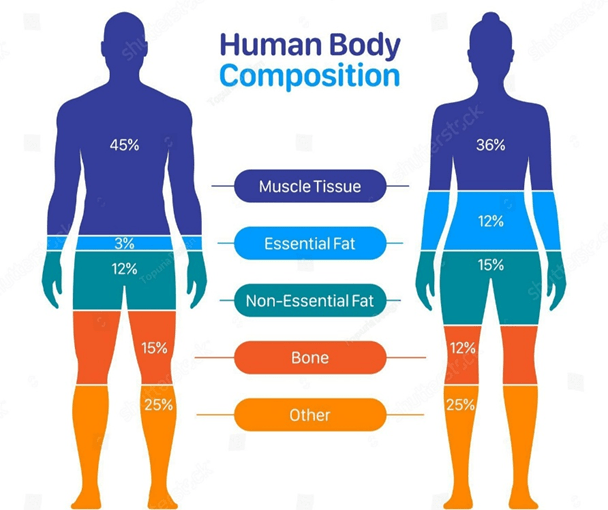
- body composition
- hormones
- medications
- sleep
- chronic health conditions
- genetics
- lifestyle
- environment
Assess your lifestyle and preferences
Your lifestyle is how you live your life. It’s a long-term pattern of behaviors, such as your daily routine, habits, and hobbies.
Lifestyle factors that can promote adiposity and obesity include:
- periods of inactivity
- not actively achieving hypertrophy
- consuming improper macronutrient ratio
- stress induced cortisol production
- cronic lack of sleep
- frequent caloric intake less than BMR
- waiting for hunger cues
- less than adequate daily hydration
- low fiber food choices
To lose body fat, you may need to make changes to your daily life. However, a body fat loss plan that’s too restrictive or inconvenient can be difficult to stick with.
It’s OK to pick a plan that works for your schedule and aligns with your personal preferences.
Questions to help you consider the effect a body fat loss plan will have on your lifestyle include:
- Can I follow this plan at home, work, or out with friends?
- Does this plan include foods I enjoy?
- Can I meet the exercise requirements by doing things I enjoy?
- Does this plan fit into my schedule?
Physical health considerations
Your physical health can greatly influence your lifestyle and body fat management. It’s affected by your current level of fitness and function, as well as your age and any chronic medical conditions.
Some chronic conditions, like polycystic ovary syndrome (PCOS), can contribute to overbody fat or obesity, making it difficult to lose body fat.
Advanced age or functional and fitness limitations can influence which exercises you do and how often or intensely you do them.
Questions to consider include:
- Can this plan be used with my other medical needs?
- Am I able to scale the exercises to my ability?
- Is there a high risk of injury or harm?
Psychological and social factors
The right body fat loss plan considers how you think and feel, cope with stress, and relate to others. It supports your mental well-being and self-esteem and doesn’t add to your stress or interfere with positive relationships and social interactions.
Questions to consider include:
- Does this plan focus on self-compassion and not self-criticism?
- Will this plan make me feel guilty about eating certain foods?
- Is this plan flexible, or will I feel burned out?
- Can I follow this plan while in social settings?
- Does this plan increase my anxiety about food?
- Can I manage unrealistic expectations?
- Does this plan obsess over scale readings?
Other criteria for the evaluation of body fat loss plans
Figuring out whether a body fat loss plan fits your lifestyle is just one of many considerations. You can also evaluate plans for:
- Sustainability: Does this plan encourage long term, healthy habits to help keep body fat off?
- Nutritional adequacy: Does this plan include a balanced diet that provides all essential nutrients?
- Evidence-based: Is this plan backed by scientific research and clinical results?
- Cost: Can I afford to stay on this plan long term?
- Flexibility: Does this plan allow me to make changes based on different circumstances?
- Safety: Does this plan involve any safety concerns, such as extreme calorie restriction, rapid body fat loss, untested supplements, or complete food group eliminations?
Working with your registered dietitian and certified personal trainer
There’s so much to consider when picking a body fat loss plan, so working with a team of qualified experienced experts is often the best option.
The types of experts who can match your personal needs to a safe and effective body fat loss plan include these experienced:
- registered dietitians
- certified trainers and health coaches
- mental health therapists
- primary care physicians
- endocrinologists
Tracking and monitoring
In addition to structuring a plan based on your current health and lifestyle, your physical fitness team can help you track and monitor your progress over time. Based on your trending results, they can adjust your body fat loss plan as needed. Working with a professional team also provides accountability.
Summary
The right body fat loss plan for you fits into your daily life and promotes healthy habits. It considers your physical and mental well-being and doesn’t cause harm.
Working with experienced qualified professionals to create a customized body fat loss plan can help ensure you approach body fat loss safely and effectively while meeting your individual needs. Victory and goal achievement is never easy nor quick but rewarding and everlasting!
“If it’s easy, it’s wrong!”–RichLDNRD
Discover more from Rich Kilchrist RDN LDN Registered Dietitian & Licensed Nutritionist
Subscribe to get the latest posts sent to your email.
