
Introduction
Every successful military operation relies on logistical and strategic planning. But in the American culture the common thing to do is not plan ahead and reacting to situations we all knew was going to be reality. As a competitive bodybuilder and working a full time job while attending university full time and two part time jobs on the weekend I still was in the gym training 2-3 hours 6 days a week!
How was this possible you ask? Strategic and logistical planning was the answer! This one was most important ensuring I always had my food with me when it needed to be consumed.
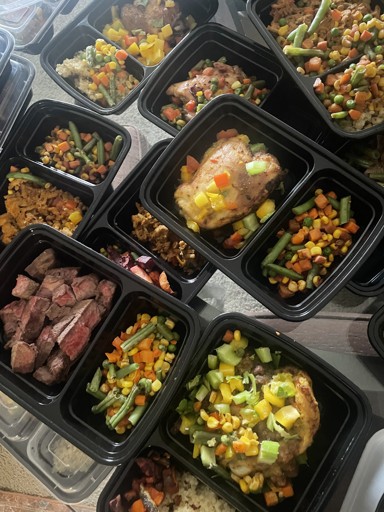
Batch cooking represents a strategic approach to meal preparation wherein multiple servings of diverse dishes are cooked in a single session, typically spanning several hours. This method, rooted in principles of efficiency and foresight, enables individuals to stockpile ready-to-eat or easily reheatable meals for the ensuing days or weeks. In an era characterized by demanding schedules and escalating living expenses, batch cooking emerges as a practical solution for sustaining balanced nutrition without compromising temporal or financial resources. This article delineates the salient benefits of batch cooking and furnishes a comprehensive, step-by-step protocol for its implementation, empowering professionals and homemakers alike to integrate this practice seamlessly into their routines.
The Positive Benefits of Batch Cooking
Adopting batch cooking yields a spectrum of advantages that extend beyond mere convenience, encompassing nutritional, economic, environmental, and psychological dimensions. These benefits, substantiated by culinary experts and lifestyle studies, underscore its value as a sustainable habit.
Time Efficiency and Stress Reduction
Foremost among the merits is the substantial conservation of time. By consolidating cooking efforts into one dedicated period—often a weekend afternoon—practitioners eliminate the daily exigency of meal ideation and preparation. Research from the Academy of Nutrition and Dietetics indicates that this consolidation can reclaim up to 10 hours weekly, reallocating them toward professional pursuits, leisure, or familial interactions. Consequently, this alleviates the cognitive load associated with “decision fatigue,” fostering a sense of control and diminishing evening-hour stress.
Cost-Effectiveness and Resource Optimization
Batch cooking curtails expenditures through economies of scale. Purchasing ingredients in bulk diminishes per-unit costs, while minimizing redundant trips to markets reduces incidental outlays on transportation and impulse acquisitions. A study by the United States Department of Agriculture reveals that households employing batch cooking techniques can achieve savings of 20-30% on grocery bills. Moreover, by leveraging seasonal produce and staples, this method enhances budgetary predictability, enabling more judicious financial planning.
Promotion of Healthier Dietary Habits
This practice inherently encourages nutritious alimentation. Pre-portioned meals, crafted with intentional ingredient selection, facilitate adherence to dietary guidelines, such as those advocated by the World Health Organization, emphasizing whole grains, vegetables, and lean proteins. Individuals are less inclined to resort to processed or fast-food alternatives during harried weekdays, thereby mitigating risks of obesity, hypertension, and nutrient deficiencies. Longitudinal observations suggest that batch cooks report heightened vegetable intake and caloric moderation, correlating with improved metabolic health.
Minimization of Food Waste and Environmental Impact
In an age of global food insecurity, batch cooking addresses waste—a perennial issue wherein households discard approximately 30% of procured edibles, per Food and Agriculture Organization estimates. By preparing precise quantities and storing them appropriately, excess spoilage is averted, extending the utility of perishable items. Environmentally, this translates to reduced greenhouse gas emissions from landfill decomposition and diminished demand on resource-intensive supply chains, aligning with sustainable living imperatives.
Enhanced Culinary Creativity and Skill Development
Beyond pragmatism, batch cooking cultivates culinary proficiency. Experimenting with flavor profiles, spice blends, and cooking techniques in a low-pressure setting refines one’s gastronomic acumen. This iterative process not only diversifies palates but also instills confidence in the kitchen, potentially inspiring a lifelong affinity for home-cooked fare over commercial equivalents.
A Step-by-Step Guide to Batch Cooking
Implementing batch cooking demands meticulous planning and execution to maximize efficacy. The following protocol, adaptable to varying household sizes and preferences, assumes a four-hour session yielding 10-12 meals for one or two individuals.
Step 1: Strategic Planning
Commence with a thorough assessment of your calendar and pantry. Identify a 3-4 hour window, ideally when energy levels peak, such as Saturday mornings. Survey existing staples to circumvent duplication—e.g., verify rice quantities before procuring more. Select 4-6 versatile recipes that share compatible ingredients (e.g., a chili base adaptable for tacos or stuffed peppers) and accommodate dietary needs, such as vegetarian or gluten-free variants. Utilize digital tools like meal-planning applications for recipe curation and nutritional tracking. Aim for equilibrium: incorporate proteins, carbohydrates, fats, and produce across dishes to ensure variety.
Step 2: Procurement and Organization
Compile a consolidated shopping list, prioritizing bulk items from cost-effective sources like warehouse clubs or farmers’ markets. Quantify portions meticulously—e.g., for a family of four, procure 5 pounds of chicken breast to yield 10 servings. Organize the kitchen workspace prior to commencement: designate zones for chopping, cooking, and cooling to streamline workflow. Invest in essentials such as durable sheet pans, slow cookers, and freezer-safe containers if not already possessed.
Step 3: Preparation and Mise en Place
Efficiency hinges on preparation. Begin by washing and chopping vegetables, measuring spices, and portioning proteins—a process termed *mise en place*. This preemptive organization mitigates interruptions. Employ multitasking judiciously: while a stew simmers on the stovetop, assemble salads or bake casseroles in the oven. Adhere to food safety protocols, maintaining proteins below 40°F (4°C) during prep to preclude bacterial proliferation.
Step 4: Execution of Cooking
Proceed in phases to optimize equipment utilization. Initiate time-intensive methods first, such as braising or roasting, followed by quicker tasks like sautéing. Rotate oven batches to prevent overcrowding, ensuring even cooking. Season judiciously, anticipating that flavors intensify upon reheating. Document adaptations for future iterations, such as adjusting sodium levels based on taste tests.
Step 5: Cooling, Storage, and Labeling
Upon completion, allow dishes to cool rapidly—at room temperature for no more than two hours—to inhibit microbial growth. Divide into single or family-sized portions using airtight containers; glass or BPA-free plastic withstands freezing admirably. Label each with contents, preparation date, and consumption guidelines (e.g., “Chicken Curry: Use by Nov 8; Reheat to 165°F”). Store refrigerated items for up to four days and freeze others for 2-3 months, reserving space in a dedicated freezer section for easy access.
Step 6: Reheating and Integration
Incorporate batch-cooked meals into daily routines by thawing overnight in the refrigerator. Reheat via microwave, stovetop, or oven, verifying internal temperatures reach 165°F (74°C) for safety. Enhance reheated dishes with fresh garnishes—herbs, citrus, or yogurt—to preserve vibrancy. Track consumption to refine future batches, ensuring no meals languish unused.
Essential Tips and Potential Pitfalls
To elevate success, diversify textures and flavors within a session to avert monotony—pair creamy soups with crisp salads, for instance. Scale recipes conservatively initially to calibrate yields. Common oversights include overpacking containers, which fosters sogginess, or neglecting variety, precipitating palate fatigue; mitigate these through balanced selection. For novices, commence with familiar recipes to build momentum.
Conclusion
Batch cooking transcends rudimentary meal prep, embodying a holistic strategy for nurturing well-being amid contemporary exigencies. Its capacity to economize time, finances, and resources, while bolstering health and sustainability, renders it indispensable for discerning individuals. By embracing this disciplined yet rewarding practice, one not only fortifies daily resilience but also cultivates a profound appreciation for the art of nourishment. With deliberate application of the outlined methodology, batch cooking promises enduring dividends, inviting a more intentional and gratifying approach to sustenance.
Discover more from Rich Kilchrist RDN LDN Registered Dietitian & Licensed Nutritionist
Subscribe to get the latest posts sent to your email.
