
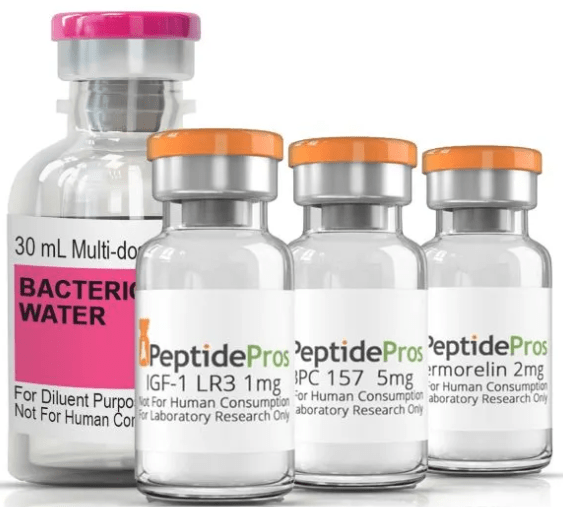
In the ever-evolving world of health, fitness, and wellness, peptides have emerged as the latest obsession sweeping markets from Silicon Valley biohacking circles to mainstream social media feeds. These short chains of amino acids—essentially building blocks of proteins—are being touted as miracle workers for everything from rapid fat loss and muscle gain to injury recovery, anti-aging, and even cognitive enhancement. By 2026, the global peptide therapeutics market is projected to surpass $50 billion, driven by surging demand for both FDA-approved drugs like semaglutide (found in Ozempic and Wegovy) and unregulated “research” peptides like BPC-157 and TB-500. But amid the excitement, a darker side lurks: a booming gray market rife with scams, counterfeit products, and unproven claims that could cost consumers thousands—or worse, their health.
This article dives deep into the peptide phenomenon, exploring its scientific foundations, real-world benefits, financial realities, potential pitfalls, and how to navigate the landscape without falling victim to fraud. We’ll examine multiple angles, including medical evidence, user experiences, regulatory gaps, and ethical considerations, to provide a balanced view. Whether you’re considering peptides for weight management, athletic performance, or longevity, understanding the full picture is crucial in an era where influencer endorsements often outpace rigorous research.
What Are Peptides, and Why the Sudden Craze?
Peptides are naturally occurring molecules in the body, consisting of 2 to 50 amino acids linked together. They act as signaling agents, influencing processes like hormone regulation, inflammation control, and tissue repair. In medicine, synthetic peptides have been used for decades—think insulin for diabetes or growth hormone-releasing peptides for endocrine disorders. However, the 2026 craze stems from their off-label and unregulated applications in wellness and biohacking.
The surge began with GLP-1 (see other article by Rich GLP-1 Gila Lizard Poison) receptor agonists like semaglutide and tirzepatide, which mimic gut peptides to regulate appetite and blood sugar. Approved for diabetes and obesity, they’ve exploded in popularity for weight loss, with celebrities and influencers crediting them for dramatic transformations. This paved the way for “research peptides”—compounds like BPC-157 (body protection compound) for healing, TB-500 for tissue regeneration, and CJC-1295/Ipamorelin for growth hormone stimulation—sold online as “not for human use” but widely consumed by enthusiasts.
Multiple factors fuel the trend:
- Social Media Influence: Platforms like TikTok and Instagram host “peptide raves” and testimonials from tech elites, creating FOMO (fear of missing out). In San Francisco, events feature live injection demos, blending science with spectacle.
- Post-Pandemic Health Focus: With rising obesity rates (42% of U.S. adults in 2025) and a longevity boom, peptides promise quick fixes without extreme diets or surgery.
- Gray Market Accessibility: Chinese imports doubled to $328 million in the first three quarters of 2025, making peptides affordable via Telegram, Discord, and e-commerce sites. This democratizes access but amplifies risks.
- Edge Cases in Niche Communities: Bodybuilders use peptides for “recomposition” (fat loss while gaining muscle), while anti-aging advocates experiment with epitalon for telomere extension—claims often based on animal studies, not human trials.
Nuances: Not all peptides are equal. FDA-approved ones undergo rigorous testing, while “research” versions are often impure synthetics from unregulated labs. Implications: This craze blurs lines between medicine and experimentation, raising ethical questions about self-medication in a healthcare system where access to approved drugs like semaglutide remains costly and limited.

Key Popular Peptides: Benefits Backed by Science
Let’s break down some of the most hyped peptides in 2026, focusing on evidence-based benefits, real-user insights, and limitations. Benefits are drawn from clinical trials for approved drugs and preliminary studies for others—remember, off-label use lacks robust data.
- Semaglutide (Ozempic/Wegovy):
- Benefits: As a GLP-1 agonist, it mimics a gut hormone to slow digestion, reduce appetite, and stabilize blood sugar. In trials, users lose 15-20% body weight over 68 weeks, with sustained results. Additional perks include improved heart health (reduced cardiovascular events by 20%), potential migraine relief, and even Alzheimer’s risk reduction (ongoing trials). Real stories: Patients report “food noise” vanishing, leading to effortless calorie cuts.
- Edge Cases: Effective for type 2 diabetes and obesity, but microdosing (low doses) for non-obese users is unproven and may cause nutrient deficiencies.
- Implications: Transforms obesity treatment but isn’t a “cure”—lifestyle changes are key to avoid rebound weight gain.
- Tirzepatide (Mounjaro/Zepbound):
- Benefits: A dual GLP-1/GIP agonist, it outperforms semaglutide in weight loss (up to 22.5% in trials) and glucose control. Benefits extend to better insulin sensitivity, reduced inflammation, and cardiovascular protection. User experiences: Faster results with less nausea than semaglutide.
- Edge Cases: Promising for PCOS and fatty liver disease, but long-term data is limited (approved in 2022).
- Implications: Could save healthcare costs long-term (one study estimates $10,655 fewer CVD cases per 100,000 users), but access barriers persist.
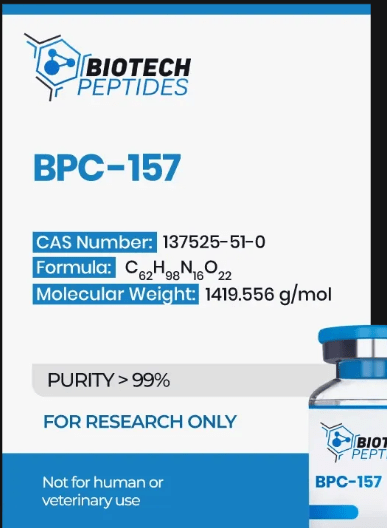
- BPC-157 (Body Protection Compound-157):
- Benefits: Derived from gastric juice, it’s praised for healing tendons, ligaments, and gut issues. Animal studies show accelerated recovery from injuries and reduced inflammation. Anecdotal reports from athletes claim faster rehab without steroids.
- Edge Cases: Used off-label for IBS or joint pain, but human trials are scarce—mostly rodent data.
- Implications: Potential for sports medicine, but lack of FDA approval means unknown purity/safety.
- TB-500 (Thymosin Beta-4):
- Benefits: Promotes angiogenesis (new blood vessels) and tissue repair. In horse racing (where it’s legal), it’s used for wound healing; human users report reduced inflammation and improved mobility.
- Edge Cases: Combined with BPC-157 for “synergistic” effects, but no controlled studies support this.
- Implications: Appeals to biohackers, but risks include vascular overgrowth or cancer promotion (theoretical).
Overall benefits: Approved peptides like semaglutide offer proven weight loss (15-25% reduction) and metabolic improvements, potentially adding years to life via reduced disease risk. Research ones show promise in niche areas like recovery, but evidence is anecdotal. Nuances: Benefits vary by individual—genetics, dosage, and lifestyle play roles. Related considerations: Peptides may interact with medications (e.g., GLP-1s with antidiabetics), and long-term effects (e.g., thyroid risks with tirzepatide) are under study.
The Cost Equation: Worth the Investment?
Peptides aren’t cheap, but costs vary wildly between approved drugs, compounded versions, and gray-market sources.
- Approved Drugs (e.g., Semaglutide/Tirzepatide): Brand-name monthly costs range from $900-$1,400 without insurance. Compounded generics (legal via pharmacies) drop to $200-500/month, but quality varies. Benefits justify for severe obesity/diabetes: Lifetime savings from reduced CVD could exceed $10,000 per person. However, for cosmetic weight loss, ROI diminishes if rebound occurs post-discontinuation (up to 67% regain within a year).
- Research Peptides (e.g., BPC-157/TB-500): $50-150/vial online (1-3 months supply), but hidden costs include syringes ($20-50) and potential health risks (e.g., infections from poor injection technique). Benefits are speculative—e.g., faster healing might save on physio ($100/session), but no guarantees.
- Total Cost-Benefit Analysis: For GLP-1s, a year of treatment (~$12,000) could yield 50-100 lb loss, slashing diabetes/heart disease odds by 20-30%. For unapproved peptides, benefits are unquantifiable vs. risks like contamination (up to 50% of gray-market products impure). Edge cases: Athletes may see performance ROI, but bans in sports (e.g., WADA lists TB-500) add legal costs. Implications: Affordable access via compounding expands reach but fuels scams; insurance rarely covers off-label use.
The Scam Landscape: How Fraudsters Exploit the Hype
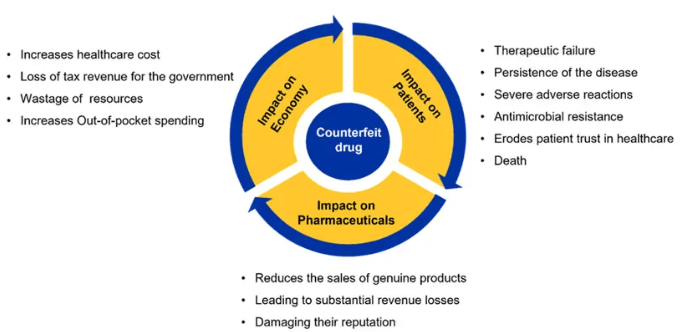
The peptide boom has spawned a shadow industry, with U.S. imports from China doubling in 2025. Scams cost consumers millions annually—here’s what to watch for:
- Counterfeit Products: Many “peptides” are diluted, contaminated, or fake. A deep dive found research-grade vials with fillers or wrong dosing, risking infections or inefficacy. Example: BPC-157 from unverified sites tested at 50% purity, leading to zero benefits and side effects like nausea.
- Mislabeling and Overhyped Claims: Sellers promise “miracle” results (e.g., “lose 30 lb in a month without diet”) without evidence. Influencers push unapproved uses, ignoring FDA warnings that these are “for research only.”
- Phony Vendors: Fake websites mimic legit pharmacies, using Telegram/Discord for sales. Scams include non-delivery or substituting cheap fillers. Red flags: Prices under $75-80/vial, no COA (certificate of analysis), or “guaranteed results.”
- Age/Regulatory Evasion: Sellers bypass age verification or label as “supplements” to skirt FDA rules, risking underage use or legal issues.
How to Avoid Scams:
- Consult Professionals: Work with your dietitian RichLDNRD, to provide you with the knowledge you need to make a mindful decision.
- Get a second opinion when any healthcare professional quickly suggests these products as their first line treatment. Also, be cautious if they sell products in the office.
- Ask your family and friends who have been under the care of reputable doctors for prescriptions; avoid DIY injections.
- Buy Reputable: Use licensed pharmacies for approved peptides; for research, demand lot-specific COA and third-party testing.
- Verify Sources: Check reviews, avoid China-direct unless verified; use tools like Yuka for scanning.
- Edge Cases: In e-commerce, use fraud prevention like age verification and secure payments. Implications: Scams erode trust, leading to health harms (e.g., infections from impure vials) and financial loss—up to thousands per victim.
Conclusion: Balancing Hype with Reality
The peptide craze in 2026 represents a fascinating intersection of science and self-experimentation, which may offer benefits for conditions like obesity and diabetes through approved drugs like semaglutide and tirzepatide. For unproven ones, the allure of quick fixes must be tempered by risks—limited evidence, side effects (nausea, thyroid issues), and a scam-ridden market. Cost-benefit wise, they’re worthwhile for medically supervised use but questionable as a DIY fad. Always prioritize evidence over endorsements, consult healthcare pros, and remember: no peptide replaces eating clean whole foods and balanced nutrition, exercise, as a consistent lifestyle. In a world chasing eternal youth, the real “miracle” is informed caution.
“If it’s easy, it’s wrong!”–RichLDNRD
Discover more from Rich Kilchrist RDN LDN Registered Dietitian & Licensed Nutritionist
Subscribe to get the latest posts sent to your email.
