

Muscle growth, or hypertrophy, is a key goal for all fitness enthusiasts & the holy grail to longevity, from beginners to seasoned athletes. While factors like nutrition, recovery, and consistency play significant roles, one element often stands out as a game-changer: workout intensity. Intensity refers to the level of effort or load placed on your muscles during exercise, typically measured by how close you push to failure or the weight used relative to your maximum capacity. But why does intensity matter so much for building muscle? Let’s dive into the science and practical implications.
Understanding Intensity in Workouts
In strength training, intensity is commonly defined by the load (weight) used or the effort level, such as reps in reserve (RIR)—how many reps you could still do before failure. For example, a set where you leave 0-5 reps in the tank is considered high intensity (fau.edu). This contrasts with volume, which is the total amount of work done (sets x reps x weight). While volume has its place, research shows that intensity drives superior muscle adaptations by recruiting more muscle fibers and triggering greater hormonal responses for growth.
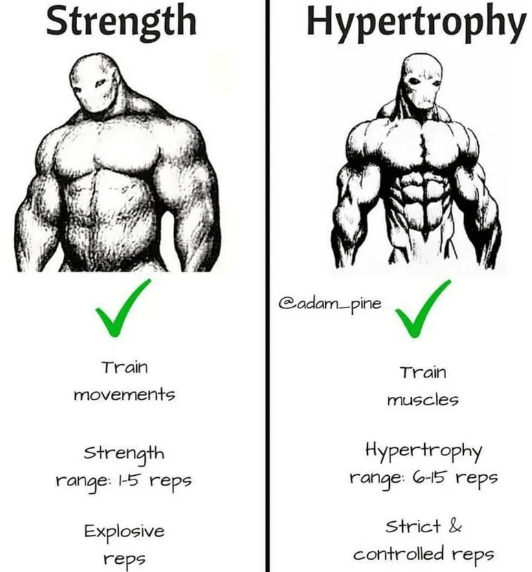
High-intensity training ensures you’re challenging your muscles enough to cause micro-tears, which repair and grow stronger during recovery. Low-intensity workouts, even with high volume, may not provide the same stimulus, leading to plateaus (menshealth.com).
Why Intensity Trumps Volume for Hypertrophy
Studies highlight that for muscle growth, the quality of your sets matters more than quantity. Sets performed with intensities allowing 5-30 reps (moderate to high load) yield better hypertrophy than lighter loads exceeding 30 reps (menshealth.com). This is because higher intensity recruits fast-twitch fibers, which have greater growth potential.One study found that high effort (close to failure) with low physical exercise can significantly boost muscle strength, suggesting intensity is key even without heavy loads (pmc.ncbi.nlm.nih.gov). Another emphasizes that pushing close to failure optimizes gains, allowing effective muscle building with fewer sets—ideal for busy individuals (planaperformance.co.uk +1).In contrast, excessive volume without sufficient intensity can lead to fatigue without proportional growth. Intensity also enhances calorie burn and metabolic stress, aiding fat loss alongside muscle gain (ourjourneytraining.com +1).
Benefits Beyond Muscle Size
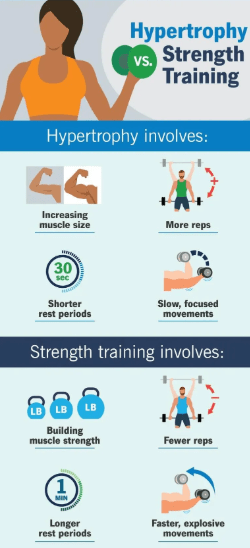
Intensity doesn’t just build muscle—it improves strength, endurance, and overall fitness. Higher loads promote better strength gains, crucial for progressive overload (gradually increasing demands on muscles) (barcainnovationhub.fcbarcelona.com +1). This creates a cycle: stronger muscles handle higher intensities, accelerating growth.
For rehabilitation or older adults, controlled intensity builds strength without excessive strain (pmc.ncbi.nlm.nih.gov). However, balance is key—too much intensity risks injury or burnout (reddit.com).
Practical Tips for Incorporating Intensity
- Aim for Failure Proximity: End sets 0-5 reps from failure for optimal hypertrophy (fau.edu).
- Progressive Overload: Increase weight or reps weekly to maintain intensity (repkefitness.com).
- Mix with Volume: Use moderate volume (3-5 sets) at high intensity for best results (planaperformance.co.uk).
- Recovery Focus: Pair intensity with rest, nutrition (high protein), and sleep to maximize growth.
- Track Progress: Use apps or journals to monitor effort levels.
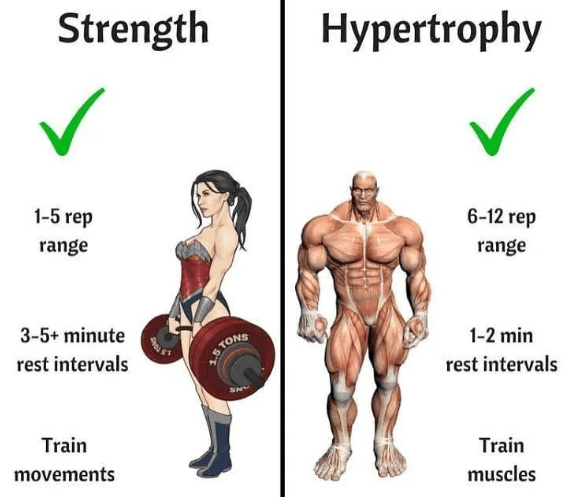
Workout intensity is paramount for muscle growth, outperforming sheer volume by providing the stimulus needed for hypertrophy and strength. By focusing on effort close to failure and progressive challenges, you can achieve efficient, sustainable results. Remember, consult a trainer or doctor to tailor intensity to your fitness level and avoid injury. Stay consistent—intensity is the spark that turns effort into gains!
Nutrition for Muscle Growth: Fueling Your Body for Optimal Gains
Building muscle, or hypertrophy, requires more than just lifting weights—it’s a process that demands the right fuel. Nutrition plays a pivotal role in repairing muscle tissue, providing energy for workouts, and supporting hormonal functions that drive growth. While factors like exercise intensity and recovery are crucial, your diet determines whether your efforts translate into visible results. Let’s break down the key nutrients and strategies for muscle growth, backed by expert insights.
The Role of Macronutrients
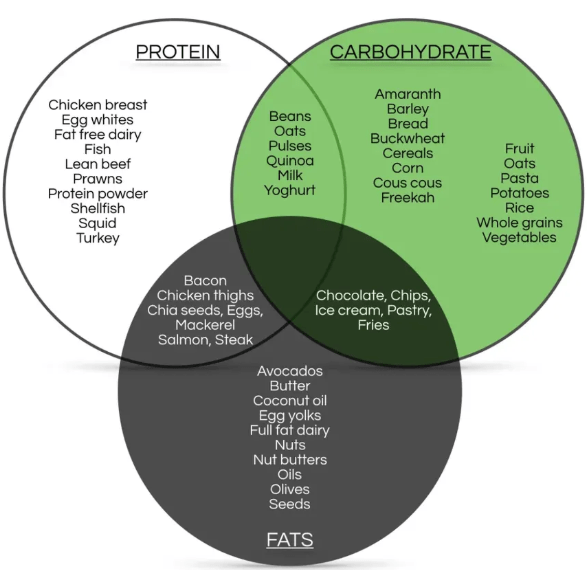
Macronutrients—proteins, carbohydrates, and fats—are the building blocks of muscle growth. They provide the calories and raw materials your body needs to synthesize new tissue.

Protein: The Muscle Builder
Protein is essential for muscle repair and growth, as it supplies amino acids that rebuild damaged fibers after training (blog.nasm.org +1). Aim for 1.6–2.2 grams per kilogram of body weight daily, spread across meals to maximize muscle protein synthesis. Sources like chicken, fish, eggs, dairy, and plant-based options (e.g., lentils, quinoa) are ideal. For example, consuming 20–40 grams of protein per meal can optimize recovery (eatright.org).
Carbohydrates: Energy for Intense Workouts
Carbs fuel high-intensity exercise, replenishing glycogen stores in muscles to support performance and recovery (mdanderson.org +1). Without enough, you may fatigue early, limiting muscle-building potential. Focus on complex carbs like oats, brown rice, and sweet potatoes for sustained energy. Athletes may need 3–7 grams per kilogram of body weight, depending on training volume (hopkinsmedicine.org).
Fats: Hormone Support and Recovery
Healthy fats aid hormone production, including testosterone, which is vital for muscle growth (bstrong.com). They also help absorb fat-soluble vitamins. Aim for 20–30% of calories from sources like avocados, nuts, olive oil, and fatty fish. Omega-3s from salmon can reduce inflammation and enhance recovery (blog.nasm.org). A balanced macro split for muscle growth might be 40–60% carbs, 20–30% protein, and 20–30% fats, adjusted for individual needs (mdanderson.org +1).
Micronutrients: The Unsung Heroes
While macros get the spotlight, vitamins and minerals are crucial for metabolic processes. Key ones include:
- Vitamin D: Supports testosterone and bone health; low levels hinder growth. Sources: sunlight, fatty fish, fortified foods (my.clevelandclinic.org).
- Calcium and Magnesium: Aid muscle contraction and recovery. Dairy, leafy greens, and nuts are good sources (my.clevelandclinic.org).
- B Vitamins: Essential for energy metabolism and protein synthesis (my.clevelandclinic.org).
- Iron and Zinc: Prevent fatigue and support hormone balance. Found in red meat, beans, and seeds (healthline.com).
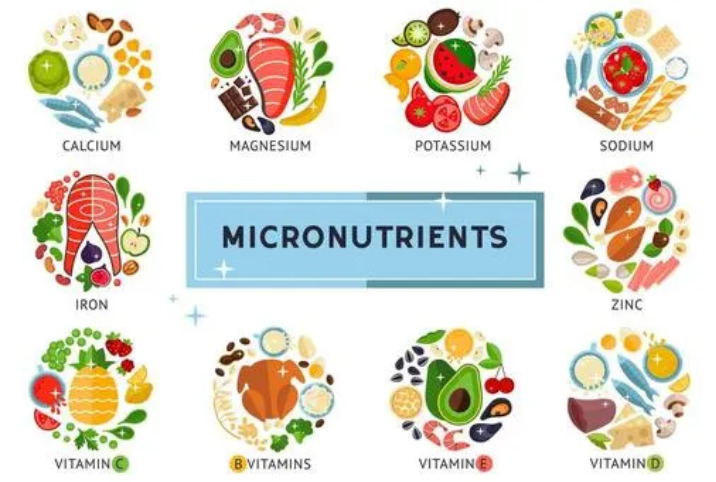
Aim for a varied diet; supplements like multivitamins can fill gaps if needed.
Timing and Strategies for Success
- Nutrient Timing: Consume protein and carbs post-workout for optimal recovery (blog.nasm.org).
- Calorie Surplus: For growth, eat 250–500 calories above maintenance, focusing on nutrient-dense foods to avoid fat gain (herbalife.com).
- Hydration: Water supports nutrient transport; aim for half your body weight in ounces daily.
- Avoid Pitfalls: Limit processed foods, sugars, and alcohol, which impair recovery (healthline.com).
Conclusion
Nutrition for muscle growth is about quality fuel: prioritize protein for repair, carbs for energy, fats for hormones, and micronutrients for support. Combined with intense training, this approach can yield impressive results. Consult RichLDNRD to tailor it to your needs—don’t give up; the right plan can transform your body!
Discover more from Rich Kilchrist RDN LDN Registered Dietitian & Licensed Nutritionist
Subscribe to get the latest posts sent to your email.
